Emergency treatment
Immediate care to stabilize the injury and preserve as much function as possible.
Serious Injury & Wrongful Death
The loss of a limb — whether traumatic or eventually required for medical reasons — reshapes how a person moves, works and lives. This page offers respectful, general information about amputation injuries and the road back to daily life.
The short answer
An amputation injury may involve the traumatic loss of a limb in an accident, or an injury that eventually requires a medically necessary amputation after attempts to save the limb. Either path can raise questions about prosthetics, rehabilitation, employment and long-term costs. This page does not provide medical advice.
Related accident types: Motorcycle Accidents, Commercial Vehicle Accidents.
Potential issues
Immediate care to stabilize the injury and preserve as much function as possible.
Surgical procedures, sometimes staged, to complete or refine an amputation.
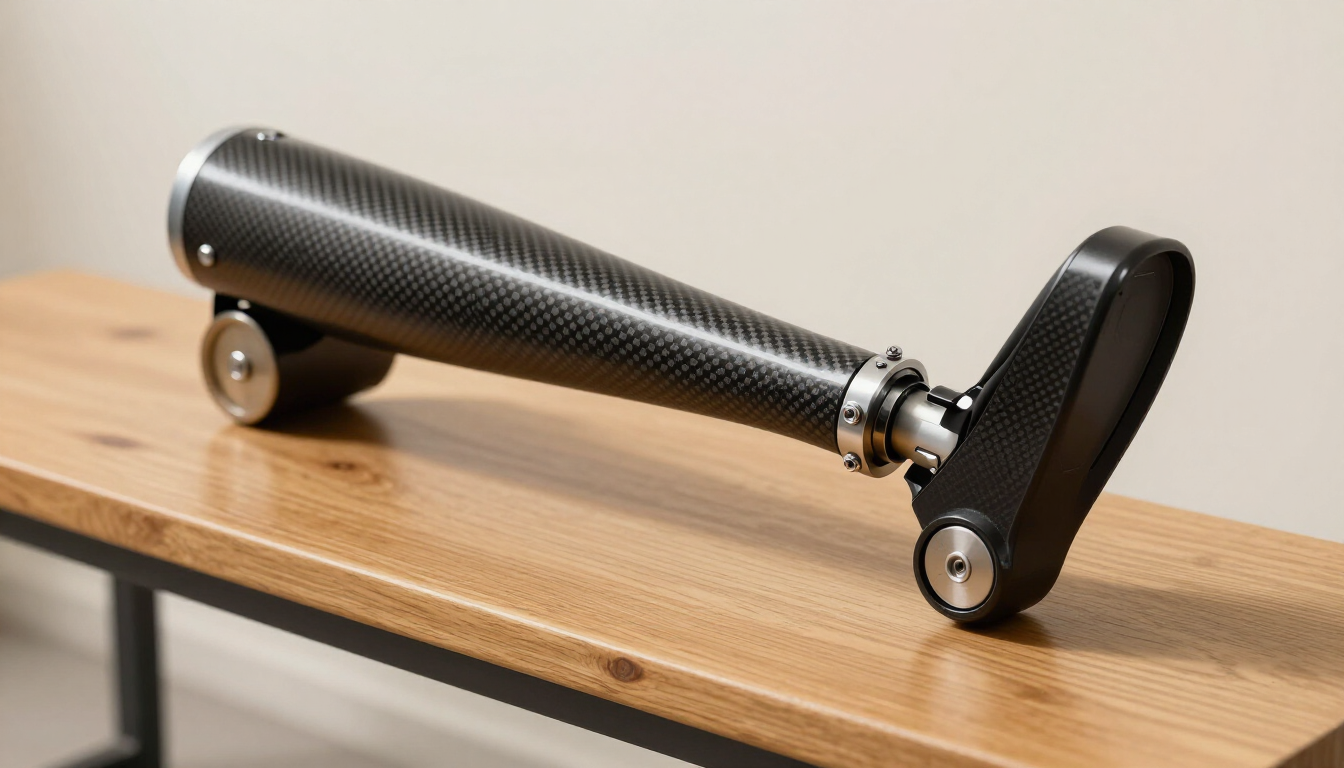
A prosthesis fitted to restore function, with options that vary by level of amputation.
Physical and occupational therapy to learn to use a prosthesis and adapt.
Prosthetic devices wear out and may need replacement or upgrading over time.
Changes in how a person moves, balances and navigates the world.
A changed ability to perform prior work or to work in the same field.
Adjustments to the home to support independence and safety.
Modified vehicles or changed transportation arrangements.
Ongoing care that may continue for the rest of a person’s life.
The psychological impact of losing a limb and adapting to a new reality.
Costs that accumulate over years as needs and equipment change.

Life after amputation
Life after an amputation is built around rehabilitation, learning to use a prosthesis, and finding a new rhythm for daily activities. Prosthetic technology has advanced meaningfully, and many people return to active, independent lives — though the path and timeline are individual. This page uses dignified imagery emphasizing rehabilitation and avoids sensational photographs.
Future prosthetic needs are a recurring consideration: devices wear, bodies change, and replacements may be required over a lifetime.
“A prosthesis is not a one-time purchase — it is a lifelong relationship with equipment and care.”
Serious cases can require specialized analysis
Amputation cases may involve orthopedic and rehabilitation physicians, prosthetists, vocational experts, life-care planners and economists. Demo, Stration & Sample is fictional, so this page does not state that the firm employs or regularly retains any specific expert.
Kansas City context
Motorcycle collisions, commercial vehicle crashes and severe incidents on Kansas City interstates can result in traumatic amputations. Trauma centers in Jackson, Clay and Platte counties typically provide initial care, with rehabilitation following in the metro.
Frequently asked questions
General information only, not medical or legal advice for any particular situation.
Keep exploring
Potential categories of damages in serious injury cases.
Why severe injury claims consider future, not just past, losses.
The stages a complex claim may move through.
How qualified professionals may support a complex claim.
Free case review
This is the intake experience a Kansas City injury firm would offer: clear fields, plain language and no pressure. On this demonstration site the form is entirely inert — nothing you type leaves your browser.
Demonstration only. No information is transmitted to an attorney or law firm.
Demonstration form only. Information entered here is not transmitted to a law firm or attorney.