Concussions
A mild traumatic brain injury that can still involve meaningful symptoms and recovery time.
Serious Injury & Wrongful Death
A traumatic brain injury can change how a person thinks, works and relates to the people around them — sometimes without any visible sign of harm. This page offers general, medically respectful information. Diagnosis and treatment belong to qualified medical professionals.
The short answer
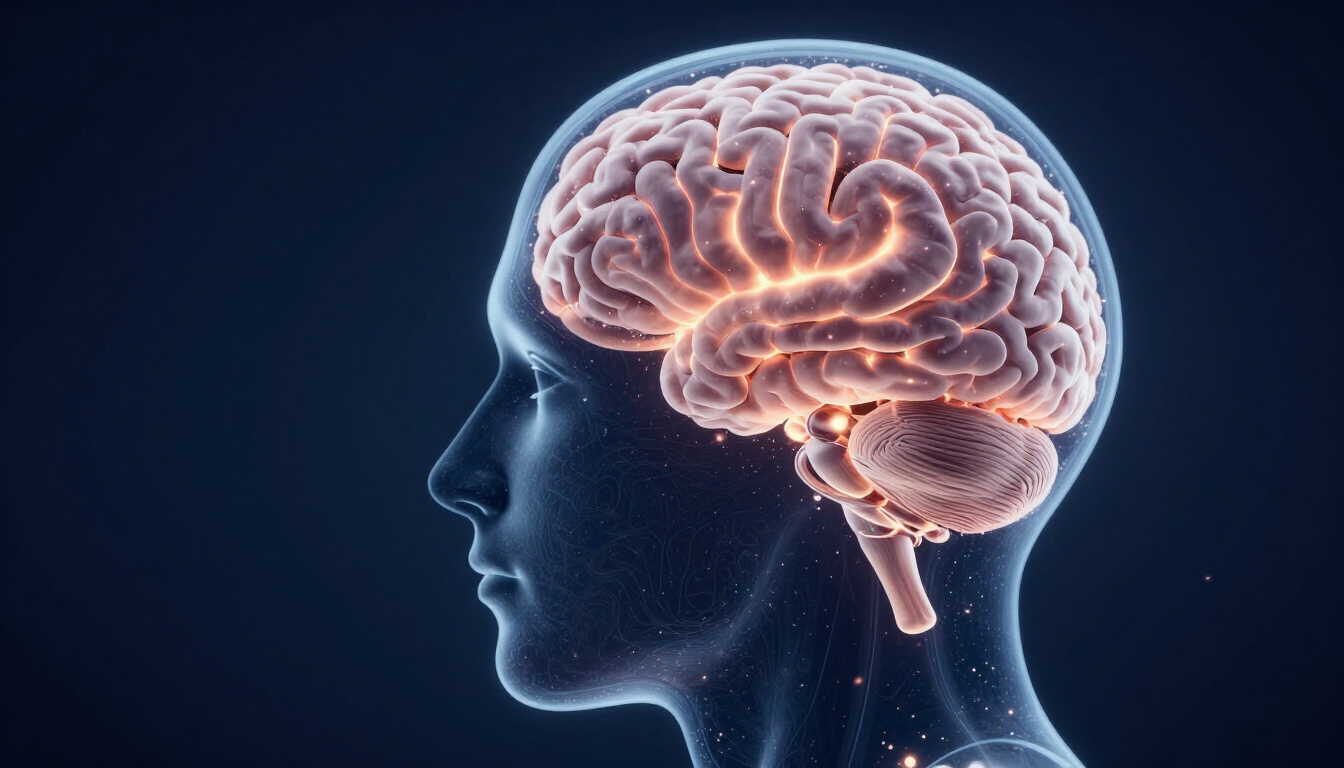
A traumatic brain injury is an injury to the brain caused by an external force. It ranges from a concussion to a more severe injury, and its effects can be cognitive, physical and emotional. This page describes TBI in general terms only and does not provide medical interpretations or diagnose any condition.
Related accident types: Car Accidents, Pedestrian Accidents.
Understanding the injury
Brain injuries vary widely in severity and effect. The categories below are general and do not diagnose any condition.
A mild traumatic brain injury that can still involve meaningful symptoms and recovery time.
More serious injuries that may involve longer treatment, rehabilitation and lasting effects.
Difficulties with thinking, processing speed or executive function.
Challenges with short-term memory, retention or recall.
Reduced ability to sustain attention or follow complex tasks.
Trouble with word-finding, comprehension or expression.
Motor changes, fatigue, headaches, balance or sensory disturbances.
Shifts in mood, irritability, anxiety or impulse control.
Ongoing therapy that may extend well beyond the initial recovery window.
A central idea
The absence of obvious external injuries — a cut, a bruise, a bandage — does not by itself determine the severity of a medically diagnosed condition. A person can look unhurt on the surface and still experience meaningful cognitive, emotional or physical effects from a brain injury. That gap between appearance and reality is one reason documentation and qualified evaluation can matter.
Brain injury evidence
Because many effects of a brain injury are not visible, documentation can play an important role. Depending on the circumstances, the following sources may be relevant. This page does not provide medical interpretations.

“Looking uninjured and being uninjured are not the same thing.”
Serious cases can require specialized analysis
Brain injury cases may involve neurologists, neuropsychologists, rehabilitation specialists, vocational experts and economists. Demo, Stration & Sample is fictional, so this page does not state that the firm employs or regularly retains any specific expert.
Kansas City context
Motor vehicle collisions on Kansas City interstates and surface streets, and pedestrian and bicycle incidents across Jackson, Clay and Platte counties, are common settings in which traumatic brain injuries occur. Local trauma centers often provide the initial evaluation.
Frequently asked questions
General information only, not medical or legal advice for any particular situation.
Keep exploring
Potential categories of damages in serious injury cases.
The stages a complex claim may move through.
How qualified professionals may support a brain injury claim.
General questions about injury claims, answered directly.
Free case review
This is the intake experience a Kansas City injury firm would offer: clear fields, plain language and no pressure. On this demonstration site the form is entirely inert — nothing you type leaves your browser.
Demonstration only. No information is transmitted to an attorney or law firm.
Demonstration form only. Information entered here is not transmitted to a law firm or attorney.