Drivers leaving the scene
A driver who causes a crash and leaves — from fear, impairment or lack of insurance — creates an identification problem.
Car Accidents · Hit-and-Run
A hit-and-run adds an identification problem on top of everything else. The steps taken in the first hours often determine whether the other driver can be found and what coverage may apply.
The short answer
A hit-and-run collision adds an identification problem on top of everything else. The steps taken in the first hours — calling law enforcement, preserving witness and camera information, recording everything you remember — often determine whether the other driver can be found and what coverage may apply. This page explains the issues generally; it is not legal advice about any particular crash, and nothing here guarantees any particular insurance coverage.
Evidence
Relevant evidence depends on the facts. In a hit-and-run, evidence that identifies the other vehicle — or establishes the crash for coverage purposes — is central.
Evidence That May Matter
Names and numbers of anyone who saw the vehicle, the driver or a partial plate.
Business, traffic, residential doorbell or dashcam footage that may have captured the vehicle.
Color, type, damage observed on the fleeing vehicle and any partial plate.
Damage to your vehicle, paint transfer, debris and the position of the vehicles.
The official record of the incident and any identifying information developed by law enforcement.
Images of the scene, damage and surrounding conditions taken as soon as possible.
Which evidence is relevant depends on the facts of the particular collision. This is general information, not legal advice or an investigation of any specific crash.
Common circumstances
These are recurring patterns, not conclusions about any specific driver.
A driver who causes a crash and leaves — from fear, impairment or lack of insurance — creates an identification problem.
Some hit-and-run incidents involve minor contact in parking lots or at slow speeds, with damage that is nonetheless real.
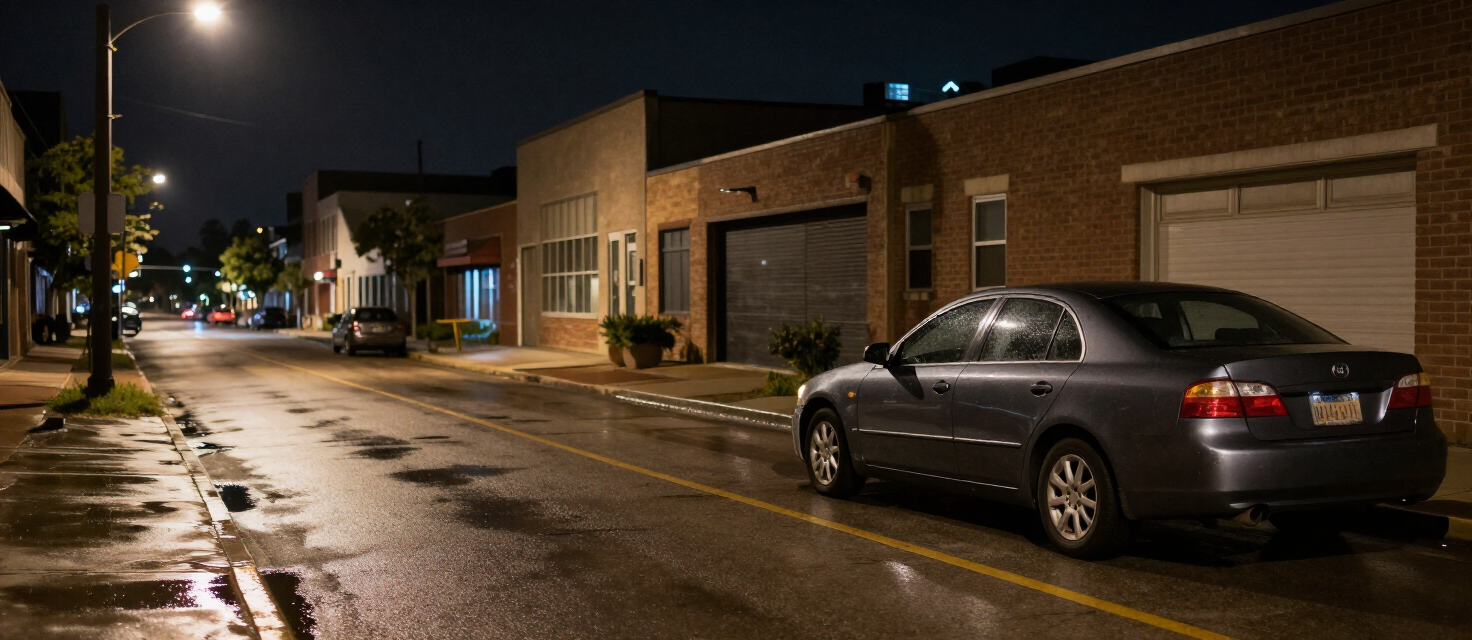
Many hit-and-run crashes occur at night or in conditions that limit witness and camera coverage.
A struck parked vehicle with no driver present is a common hit-and-run pattern.
Hit-and-run collisions involving people outside vehicles raise especially serious concerns.
A witness may catch only a partial plate, color or vehicle type, leaving identification incomplete.
What to do afterward
General guidance, not individualized legal advice.
Report the crash and that the other driver left the scene; request officers respond.
Your safety and the scene come first; let law enforcement investigate.
Write down the vehicle color, type, partial plate and direction of travel while fresh.
Collect names and numbers from anyone who saw the vehicle or driver.
Note nearby business, traffic and residential cameras before footage is overwritten.
Damage, paint transfer, debris and surrounding conditions.
Potential injuries
Categories of injury, not diagnoses or predictions. Prompt medical care matters, especially when the other driver’s absence can delay treatment.
Whiplash and strain injuries that are real but sometimes slower to document.
Head injury from impact or sudden movement.
Fractures and joint damage from the collision forces.
The experience of being struck and abandoned can carry lasting emotional effects.
Injuries left untreated because the other driver fled can progress if not evaluated.
Insurance issues
Whether coverage applies depends on your policy and the facts. This page does not guarantee any particular coverage.
Potential damages
Recoverable damages depend on the facts, applicable law and available coverage. Nothing here promises that any particular damages will be recovered.
Emergency, imaging and therapy costs already incurred.
Treatment a provider anticipates will be required.
Wages lost during recovery.
Long-term impact on the ability to earn.
Repair or replacement of the vehicle.
The physical and emotional experience of the injury.
Lasting limitations on movement or function.
Additional categories recognized under applicable Missouri law.
Kansas City context
Hit-and-run collisions occur across the Kansas City metro, from downtown streets to suburban parking lots and outer corridors in Jackson County. Nighttime and low-visibility conditions limit witness and camera coverage, which is why prompt documentation matters. No area is characterized here as having more hit-and-run crashes without supporting data.
Kansas City area resources
Frequently asked questions
General information only, not legal advice for any particular situation.
Keep exploring
Free case review
This is the intake experience a Kansas City injury firm would offer: clear fields, plain language and no pressure. On this demonstration site the form is entirely inert — nothing you type leaves your browser.
Demonstration only. No information is transmitted to an attorney or law firm.
Demonstration form only. Information entered here is not transmitted to a law firm or attorney.