Chain-reaction sequences
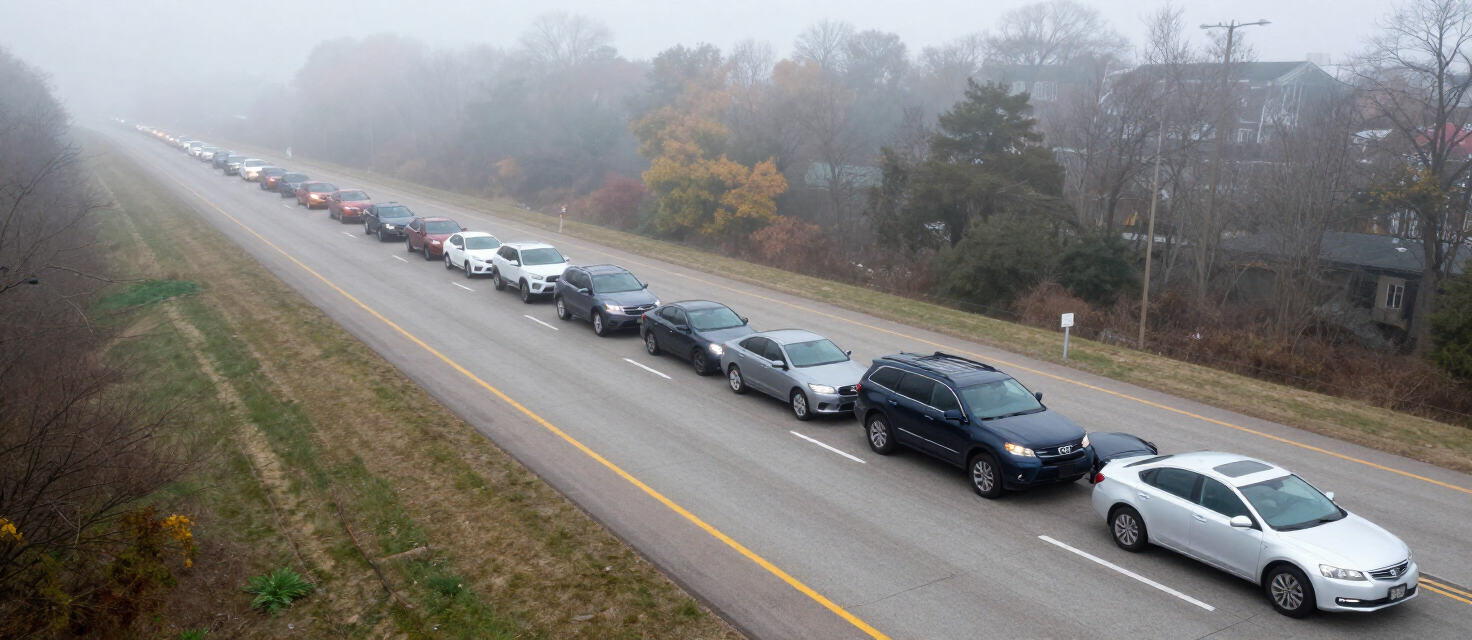
One initial impact pushes vehicles into one another, creating a sequence where each contact matters.
Car Accidents · Multi-Vehicle Collisions
A multi-vehicle crash is really several collisions in quick succession, and the order of impacts usually determines responsibility. Because no single driver sees the whole sequence, the evidence does the work.
The short answer
A multi-vehicle crash is really several collisions happening in quick succession, and the order of impacts usually determines who is responsible. Because no single driver sees the whole sequence, the evidence — damage mapping, video, reconstruction — does the work. Several insurance companies, conflicting accounts and shared fault are common. This page explains the issues generally; it is not legal advice about any particular crash.
Evidence
Relevant evidence depends on the facts. In a multi-vehicle crash, evidence that establishes the sequence is central.
Evidence That May Matter
Damage location and direction on each vehicle helps establish the order of impacts.
Footage capturing the sequence that drivers and witnesses could not fully see.
Accounts from drivers and bystanders about the first impact and subsequent contacts.
Officer diagrams, citations and the reported sequence of the crash.
Speed and braking data from each vehicle showing when and whether drivers reacted.
Expert analysis of the sequence, speeds and fault apportionment across multiple vehicles.
Which evidence is relevant depends on the facts of the particular collision. This is general information, not legal advice or an investigation of any specific crash.
Common circumstances
These are recurring patterns, not conclusions about any specific driver.
One initial impact pushes vehicles into one another, creating a sequence where each contact matters.
Each driver’s carrier investigates, often pointing to other vehicles to limit their own exposure.
Several drivers each describing a different sequence is common and must be resolved by evidence.
Where each vehicle came to rest, and the damage on each side, helps reconstruct the order of impacts.
Dashcam, traffic or business footage can show the sequence that no driver fully saw.
Several drivers may share fault, and apportionment among them depends on the evidence.
What to do afterward
General guidance, not individualized legal advice.
Multi-vehicle crashes often block lanes and involve several injured people.
Stay until officers arrive; your account of the sequence matters.
Damage on all sides of each vehicle helps establish the order of impacts.
Where each vehicle came to rest reflects the sequence.
Drivers and bystanders each saw part of the sequence.
Injuries from later impacts can be missed without thorough evaluation.
Potential injuries
Categories of injury, not diagnoses or predictions. Injuries from later impacts in the sequence can be missed without thorough evaluation.
Injuries from being struck more than once, sometimes from different directions.
Cervical and lumbar injury from successive impacts.
Brain injury from repeated or high-force head movement.
Fractures and joint damage from compounded forces.
Injuries from a later impact in the sequence can be missed without full evaluation.
Insurance issues
Each carrier investigates and may point to others. Organized evidence matters.
Potential damages
Recoverable damages depend on the facts and applicable law. Nothing here promises that any particular damages will be recovered.
Emergency, imaging, therapy and prescription costs already incurred.
Care and treatment a provider anticipates will be required.
Wages and earnings lost during recovery.
Long-term impact on the ability to earn.
Repair or replacement of the vehicle.
The physical and emotional experience of the injury.
Lasting limitations on movement or function.
Additional categories recognized under applicable Missouri law.
Kansas City context
Kansas City interstates like I-70 and I-435 carry the high-speed, dense traffic where chain-reaction pileups occur — especially in congestion, construction zones or reduced visibility. No roadway is characterized here as having more multi-vehicle crashes without supporting data; the recurring factor is that high speeds and close spacing amplify any initial impact into a sequence.
Kansas City area resources
Frequently asked questions
General information only, not legal advice for any particular situation.
Keep exploring
Free case review
This is the intake experience a Kansas City injury firm would offer: clear fields, plain language and no pressure. On this demonstration site the form is entirely inert — nothing you type leaves your browser.
Demonstration only. No information is transmitted to an attorney or law firm.
Demonstration form only. Information entered here is not transmitted to a law firm or attorney.