DEMONSTRATION WEBSITE — Demo, Stration & Sample is a fictional law firm created to demonstrate professional legal website design. No legal services are offered through this website.
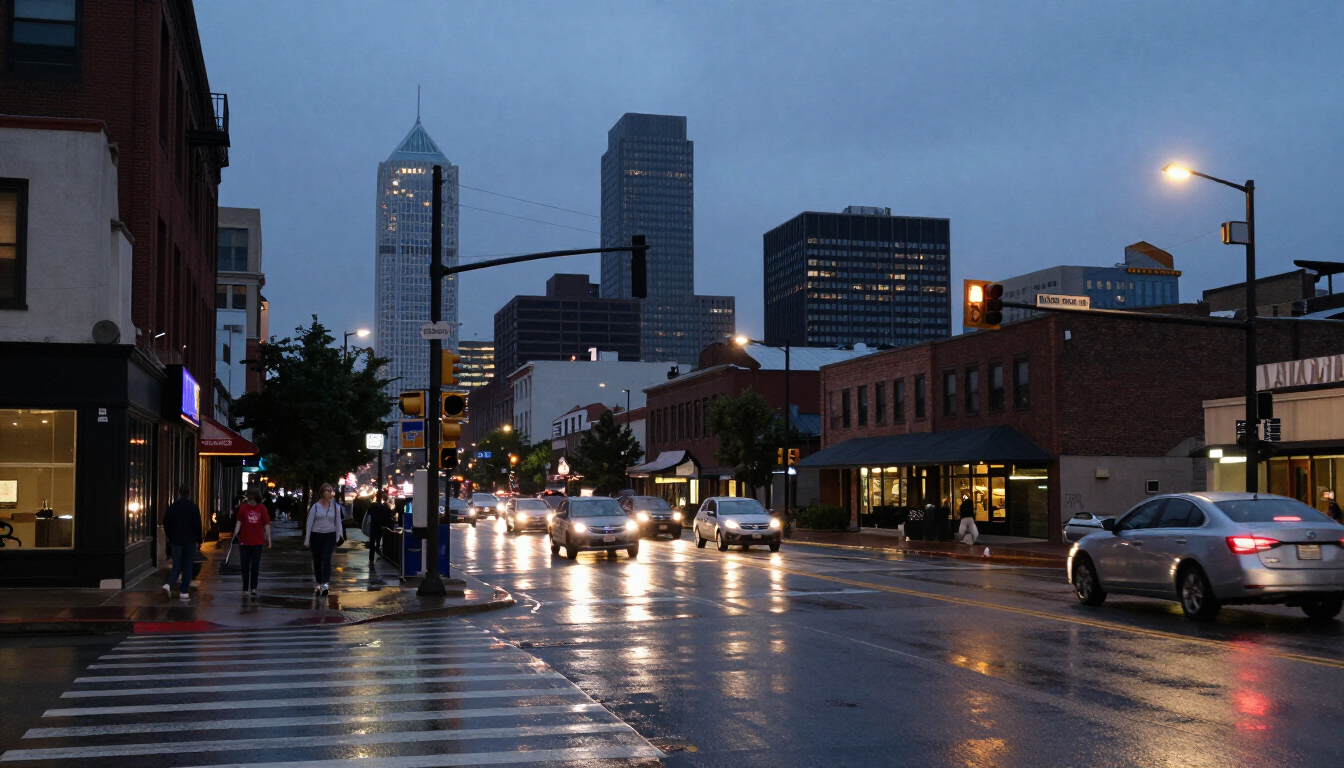
Kansas City downtown street at dusk with traffic lights and wet pavement after an accident

Answer Center · After an Accident

What to Do After an Accident: Questions & Answers

The hours and days after an accident shape both your health and any claim you may pursue. These answers cover what to do at the scene, what to document, what to avoid, and what to do if you were injured while visiting Kansas City. General information, not legal or medical advice.

10 questions

01

What should I do immediately after a car accident?

Direct answer

Check yourself and others for injuries and call 911 if anyone is hurt or the roadway is blocked. If the vehicles can be moved safely, clear the travel lanes and turn on hazard lights to prevent a secondary collision. Safety comes before everything else, including documentation.

More detail

The first moments set the tone for both your health and any claim. Once immediate safety is addressed, seek medical evaluation even if you feel fine, because some serious injuries are not immediately obvious. Then photograph the scene, exchange information, and collect witness contacts while people are still present.

02

Should I call the police after an accident?

Direct answer

In many situations, yes — especially when there are injuries, blocked lanes, significant damage, or a driver who leaves the scene. A police response creates an official accident report that documents what happened, which can be valuable for a claim. When in doubt, calling is reasonable.

More detail

The responding officer prepares a report containing the date, time, location, parties, a narrative, a diagram, any citations, and witness information. Note the report number and the responding agency at the scene so a copy can be obtained later. For minor incidents the need to call may vary, but a report is often worth having.

Related resource

Police Reports
03

Should I take pictures after a crash?

Direct answer

Yes, if it is safe to do so. Photograph vehicle positions, damage, skid marks, road conditions, traffic signs and signals, weather and lighting, and any visible injuries. Take wide shots that show the overall layout and close-ups that show detail — you cannot take them later once the scene changes.

More detail

More photographs are better than fewer. Note the time, weather, and lighting, since conditions matter to what happened. If parts are replaced during repair, ask to keep the damaged parts. Photograph all vehicles before any repair, and capture nearby businesses or traffic cameras that might have video, since that footage is often overwritten within days.

Related resource

Evidence Preservation
04

What information should I collect at the scene?

Direct answer

Get the other driver’s name, contact details, license plate number, and insurance information. If there are witnesses, get their names and phone numbers. If police respond, note the report number and responding agency. Be accurate and cooperative, but avoid discussing who was at fault.

More detail

Witnesses leave the scene quickly, and their accounts are valuable while memory is fresh. A first name is not enough — get a phone number and a brief note of what they saw. For the other driver, photograph their license and insurance card if possible, which avoids transcription errors.

05

Should I get witness information?

Direct answer

Yes, whenever witnesses are available. Independent witnesses can be decisive in a disputed claim, and they leave the scene quickly. Collect names and phone numbers while people are still present — a witness account gathered the same day is far more reliable than one reconstructed weeks later.

More detail

Witnesses move on and memories fade. A brief written note of what each witness saw, made at the scene, preserves detail that a later conversation may lose. If police respond, witnesses may speak with the officer too, but do not assume the officer will capture every witness — gather contacts yourself.

Related resource

Evidence Preservation
06

What if I don’t feel injured immediately after the crash?

Direct answer

Seek medical evaluation anyway. Some serious injuries — including concussions, internal injuries, and soft-tissue injuries — may not produce obvious symptoms for hours or even days. Prompt evaluation protects your health and creates the medical record that connects any injury to the collision.

More detail

Adrenaline and shock can mask pain at the scene. A delay in seeking care can also create a gap that an insurer may use to question whether an injury was caused by the accident. Seeing a doctor as soon as you recognize a problem — and following the recommended treatment — protects both your recovery and any documentation.

Important exception

This page does not provide medical advice. If you are hurt or unsure whether you are hurt, the right step is to be evaluated by a medical professional.

Related resource

Medical Records
07

What documents and records should I keep?

Direct answer

Keep photographs, the police report number, medical records and bills, repair estimates, tow receipts, rental invoices, witness contacts, and any damaged property. Save every receipt, including out-of-pocket costs and transportation to appointments. Organize them as you go — it is far easier than reconstructing them later.

More detail

A simple file built from the start makes a claim easier to present and harder for an insurer to dispute. Each item connects a piece of the accident to the record. Keep a treatment log noting dates, providers, and how you felt, which captures detail records alone cannot.

08

Should I notify my insurance company after an accident?

Direct answer

Generally yes, and usually soon after the accident. Reporting the basic facts promptly is expected and helps avoid later disputes about notice. But reporting the claim is different from giving a detailed recorded statement — you can provide basic facts without committing to a full narrative before you know the full extent of your injuries.

More detail

You generally have duties to your own insurer. The timing and content of communications matter, so many people report the basic facts promptly but seek guidance before giving recorded statements or signing broad medical authorizations. Be accurate and cooperative without volunteering speculation or accepting blame.

Related resource

Dealing With Insurance
09

What should I avoid doing after an accident?

Direct answer

Avoid discussing fault at the scene, giving a recorded statement before you understand the full picture, signing broad medical authorizations, accepting an early settlement before your injuries are clear, and posting about the accident on social media. Each of these can affect a claim and is better considered carefully than rushed.

More detail

A settlement is usually final — once accepted, a claim generally cannot be reopened if later complications appear. Broad medical authorizations can reach unrelated history. Public social media posts about the accident or your activities can be reviewed by an insurer. Being polite and accurate does not require volunteering speculation or minimizing injuries.

10

What if I was injured while visiting Kansas City?

Direct answer

An injury occurring in Kansas City can generally be pursued where it happened, regardless of where you live. Visitors face the added logistics of managing care away from home and coordinating with local providers, courts, and witnesses. The legal questions are the same; the practical coordination differs.

More detail

Where the accident occurred and the parties involved generally matter more than your home address. Out-of-state or Kansas-resident claimants may have questions about travel, records, and local procedures, but Missouri law typically applies to a crash that happens in Missouri. Prompt documentation and preserving evidence before you leave the area are especially important.

More questions

Frequently asked, answered directly.

General information only, not legal advice for any particular situation.

Keep exploring

More questions & deeper resources.

Demonstration website only. No information is transmitted to an attorney or law firm. These answers are general educational information, not legal advice for any particular situation. Demo, Stration & Sample is a fictional law firm.

Free case review

Been in an accident? Request a free case review.

This is the intake experience a Kansas City injury firm would offer: clear fields, plain language and no pressure. On this demonstration site the form is entirely inert — nothing you type leaves your browser.

Demonstration only. No information is transmitted to an attorney or law firm.

Office
1100 Main St, Kansas City, MO 64105

Demonstration Case Review

Demonstration form only. Information entered here is not transmitted to a law firm or attorney.

Medical Treatment

No attorney-client relationship is created by submitting this demonstration form, and no information is sent to a lawyer.