DEMONSTRATION WEBSITE — Demo, Stration & Sample is a fictional law firm created to demonstrate professional legal website design. No legal services are offered through this website.
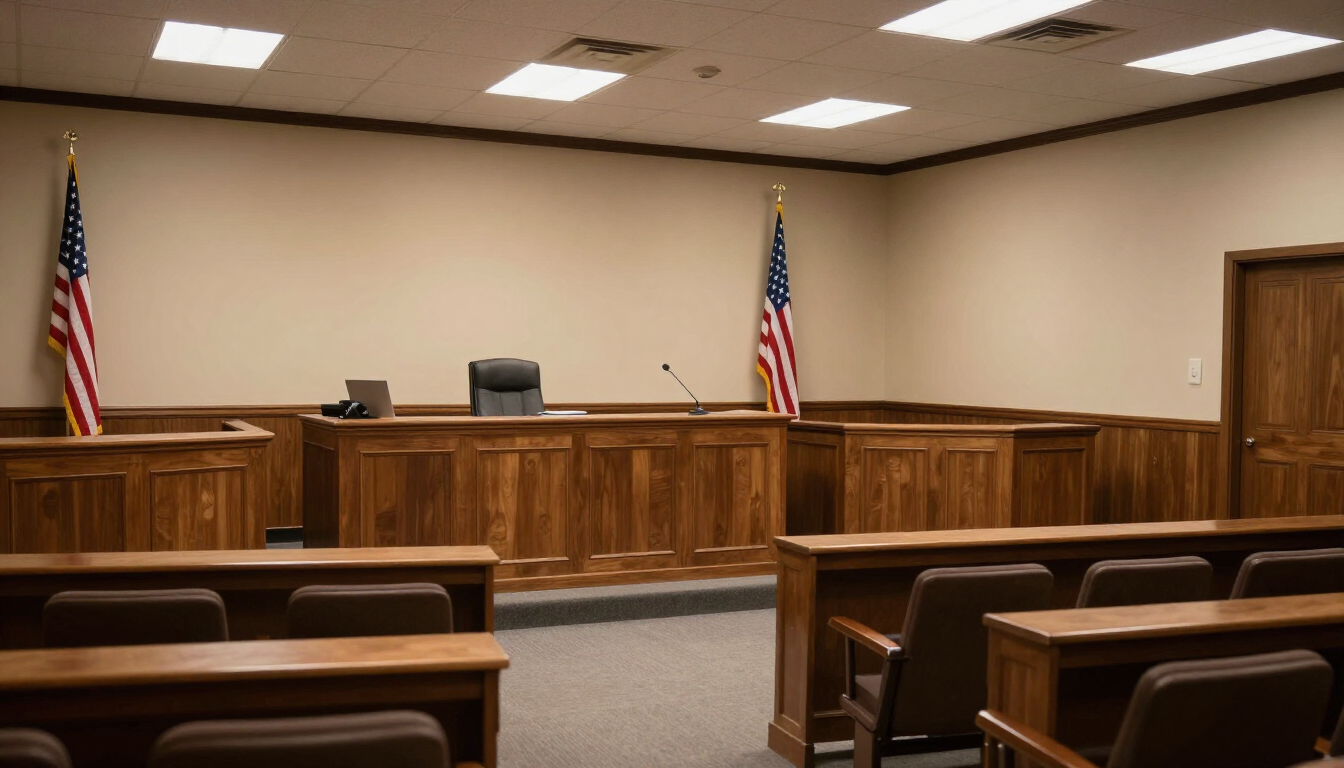
Courtroom interior representing where personal injury trials take place

Answer Center · Lawsuits & Trials

Lawsuit & Trial Questions & Answers

Most claims settle, but some become lawsuits and a few reach trial. These answers cover what happens when a lawsuit is filed, discovery, depositions, mediation, expert witnesses, whether cases go to trial, litigation timelines, who decides at trial, settling during preparation, and what happens after a verdict. General information, not legal advice.

10 questions

01

What happens when a personal injury lawsuit is filed?

Direct answer

A petition is prepared and filed with the appropriate court, the defendant is served, and the case moves through discovery, motion practice, settlement negotiations, and — if it does not resolve — trial. Filing does not mean trial is certain; most lawsuits settle before trial. The appropriate court depends on the claim and the parties.

More detail

The petition sets out the claims and the relief sought. After the defendant responds, the case enters discovery — the formal exchange of evidence and information. Motions may be filed, settlement discussions continue, and many cases resolve through negotiation or mediation before reaching trial. Preparation that assumes trial tends to strengthen a case at every stage.

Related resource

Personal Injury Lawsuit
02

What is discovery in a personal injury lawsuit?

Direct answer

Discovery is the formal pre-trial process where both sides exchange evidence and information — documents, written questions (interrogatories), requests for admission, and depositions. It is how each side learns the other’s evidence and tests the strengths and weaknesses of the case. Discovery often clarifies positions and brings the parties closer to resolution.

More detail

Each side must produce relevant documents and answer questions under oath. Depositions — sworn testimony before trial — let lawyers question witnesses and lock in testimony. Discovery can be extensive in serious cases, especially truck cases where carrier records are involved. The process often reveals information that shapes both valuation and settlement.

Related resource

Personal Injury Lawsuit
03

What is a deposition?

Direct answer

A deposition is sworn testimony given before trial, where a witness answers questions under oath while a court reporter records everything. It lets lawyers lock in testimony, assess how a witness will present, and learn facts. The injured person, the defendant, witnesses, and experts may all be deposed.

More detail

What is said at a deposition can be used at trial to impeach inconsistent testimony or, in some cases, as evidence. Preparation matters — a deposition is a formal proceeding even though it occurs in a conference room rather than a courtroom. Depositions of experts can be central to how medical causation, future care, or fault is established.

Related resource

Depositions
04

What happens during mediation?

Direct answer

Mediation is a structured settlement discussion led by a neutral mediator who helps the parties negotiate but does not decide the case. The parties, often in separate rooms, exchange positions through the mediator and work toward an agreement. Unlike a trial, no outcome is imposed — the parties settle only if they choose to. Many cases resolve at mediation.

More detail

The mediator carries offers and information between the rooms, tests each side’s assumptions, and helps identify the real obstacles. Mediation is private and less formal than trial, and the parties keep control over the result. If the parties agree, the terms are written down and signed, resolving the case. If not, the case continues.

Related resource

Mediation
05

What does an expert witness do?

Direct answer

An expert witness is a qualified professional who offers an opinion on a specialized issue — how an accident happened, whether an injury was caused by it, what future care will cost. Unlike a fact witness, who describes what they saw, an expert explains or interprets complex matters in terms a judge or jury can understand.

More detail

Experts review the evidence, form opinions, and present them in reports, depositions, and at trial. Common types include medical experts, accident reconstructionists, vocational experts, economists, and life-care planners. The strength of the expert’s qualifications and methodology largely determines how much weight the opinions carry. Not every case needs experts, but complex cases often do.

Related resource

Expert Witnesses
06

Do all personal injury lawsuits go to trial?

Direct answer

No. Most injury claims settle through negotiation without a lawsuit being filed, and even among lawsuits that are filed, most settle before trial. Discovery, motions, and mediation all create opportunities for resolution. Trial is the exception, not the rule — but the credible possibility of trial shapes every negotiation.

More detail

A small percentage of cases reach trial. The possibility matters because it sets the backdrop for negotiation: the further a claim can credibly go, the more seriously it is taken. A claim prepared as though it will be tried tends to negotiate from a stronger position and is ready if negotiation stalls.

Related resource

Personal Injury Trials
07

How long can litigation take?

Direct answer

It varies widely. A lawsuit can take a year or more from filing to resolution, and complex cases — serious injuries, multiple parties, extensive discovery — can take longer. Some cases settle early in the process; others proceed through discovery, mediation, and trial. No specific timeline can be promised.

More detail

The timeline depends on the court’s schedule, the complexity of the case, the volume of discovery, and whether the case settles or is tried. Mediation often occurs after discovery is substantially complete. Trial dates may be set months in advance and can be continued. The applicable statute of limitations sets the deadline for filing, not the duration of the case.

Related resource

Personal Injury Lawsuit
08

Who decides a personal injury case at trial?

Direct answer

Most personal injury trials are decided by a jury, though a judge may decide some matters. The jury hears the evidence, determines fault and damages under the court’s instructions, and returns a verdict. The burden is on the injured person to prove their case by a preponderance of the evidence — more likely than not.

More detail

The judge rules on legal questions and instructs the jury on the law, while the jury decides factual questions — who was at fault, to what degree, and what the damages are. The parties may present witnesses, documents, and expert testimony. The verdict can be appealed in some circumstances, which can extend the process.

Related resource

Personal Injury Trials
09

Can a case settle during trial preparation?

Direct answer

Yes, and many do. Settlement discussions can continue throughout litigation, and the discovery and deposition process often clarifies each side’s position enough to bring the parties to agreement. Mediation frequently resolves cases during the preparation phase. Filing a lawsuit does not close the door on settlement.

More detail

As discovery reveals the strengths and weaknesses of each side’s case, the gap between the parties’ positions often narrows. Mediation provides a structured setting for resolution. Even on the eve of trial, cases settle. The credible readiness for trial is what often drives a late settlement.

Related resource

Mediation
10

What happens after a verdict?

Direct answer

After a verdict, the court enters judgment, and the losing party may pay the amount awarded or pursue post-trial motions or an appeal. An appeal can extend the process but does not always change the outcome. If no appeal is pursued or the verdict is upheld, the judgment is enforced and payment follows.

More detail

Post-trial motions may challenge the verdict or seek a new trial. An appeal is a review by a higher court of legal errors, not a re-trial of the facts. Appeals can take many months. If the verdict stands, the prevailing party pursues collection of the judgment. Most cases, however, resolve before a verdict is ever reached.

Related resource

Personal Injury Trials

More questions

Frequently asked, answered directly.

General information only, not legal advice for any particular situation.

Keep exploring

More questions & deeper resources.

Demonstration website only. No information is transmitted to an attorney or law firm. These answers are general educational information, not legal advice for any particular situation. Demo, Stration & Sample is a fictional law firm.

Free case review

Questions about a lawsuit? Request a free case review.

This is the intake experience a Kansas City injury firm would offer: clear fields, plain language and no pressure. On this demonstration site the form is entirely inert — nothing you type leaves your browser.

Demonstration only. No information is transmitted to an attorney or law firm.

Office
1100 Main St, Kansas City, MO 64105

Demonstration Case Review

Demonstration form only. Information entered here is not transmitted to a law firm or attorney.

Medical Treatment

No attorney-client relationship is created by submitting this demonstration form, and no information is sent to a lawyer.