Downtown Kansas City
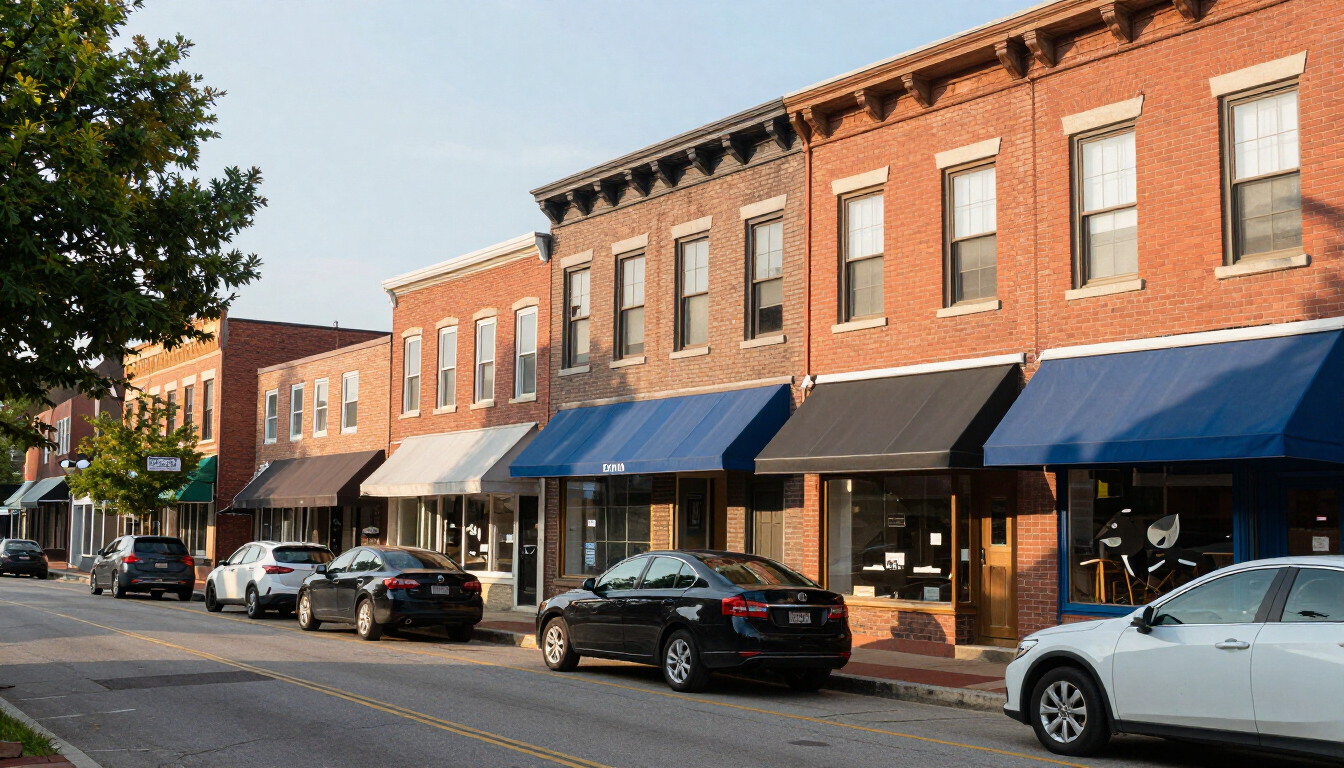
The central business district, where office commuters, convention visitors, transit and a one-way street grid concentrate traffic at peak hours.
Local Resources · Neighborhoods
Different Kansas City neighborhoods present different street environments, pedestrian activity and traffic patterns. This page offers local context for accidents across the metro — without inventing neighborhood accident statistics or characterizing any area as dangerous.
The short answer
Direct answer: Each neighborhood has a distinct street environment — downtown’s one-way grid and transit, the Crossroads’ pedestrian and event traffic, Westport’s nightlife activity, the Plaza’s seasonal shopping traffic, Brookside and Waldo’s residential and school-zone patterns, and the Northland’s commuter and interstate-approach traffic. Where a crash happened can affect the responding agency, the traffic context and potentially the relevant court. No neighborhood is ranked or characterized as dangerous without supporting data.
Related resources
Neighborhood context
For each area, only meaningful local context is provided — street environment, pedestrian activity, major roads and transportation connections. No accident statistics are invented, and no area is characterized as dangerous without supporting data.
The central business district, where office commuters, convention visitors, transit and a one-way street grid concentrate traffic at peak hours.
A dense arts-and-dining district just south of downtown, with heavy pedestrian activity, event traffic and limited parking.
The historic riverfront market area with weekend foot traffic, transit connections and a mix of local and visitor drivers.
An entertainment and nightlife district where late-evening pedestrian and rideshare activity rises sharply on weekends.
A major shopping and dining destination with heavy seasonal traffic, pedestrian crossings and complex parking access.
A residential neighborhood with tree-lined streets, neighborhood retail and school-zone pedestrian activity.
A southern residential district with neighborhood commercial nodes, bus routes and family traffic.
The communities north of the Missouri River, reached by bridge crossings and interstate approaches that carry commuter volume.
Why location matters
Where a crash happens — which neighborhood, which street — can affect the responding agency, the traffic context and potentially the court that may one day hear the case. A crash downtown, on the Plaza, or in the Northland may each raise different practical questions even though all sit within the Kansas City metro.
The local resources here connect that geography to the accident, insurance and legal questions that follow a serious crash. Specific questions about a particular neighborhood or situation belong with a qualified Missouri attorney.
Frequently asked questions
General information only, not legal advice for any particular situation.
Keep exploring
Free case review
This is the intake experience a Kansas City injury firm would offer: clear fields, plain language and no pressure. On this demonstration site the form is entirely inert — nothing you type leaves your browser.
Demonstration only. No information is transmitted to an attorney or law firm.
Demonstration form only. Information entered here is not transmitted to a law firm or attorney.