Downtown pedestrian activity
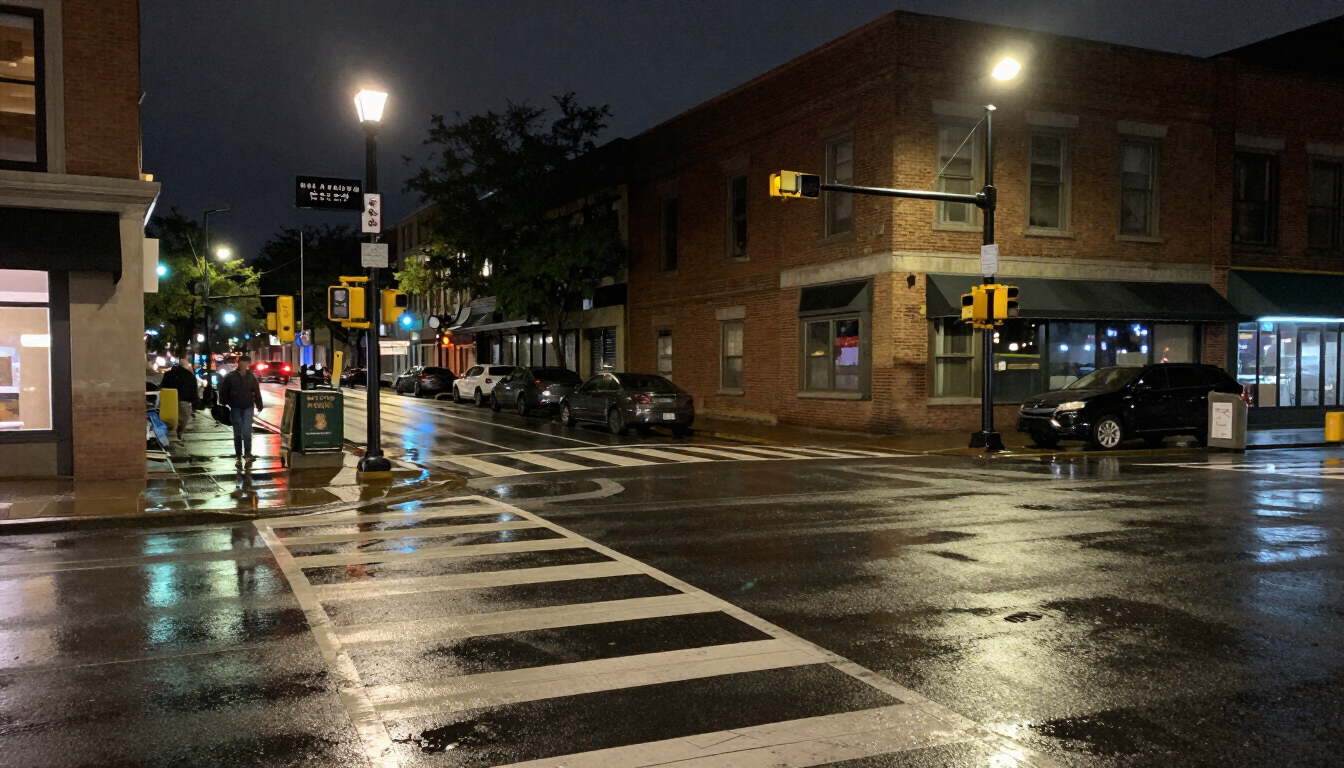
Kansas City’s downtown, Crossroads and River Market combine foot traffic, transit stops and turning vehicles at close range.
Local Resources · Pedestrian Safety
A person on foot has no protection against a vehicle. Kansas City combines a walkable downtown with suburban roads designed primarily for vehicles, and pedestrian crashes frequently produce serious injuries. This page covers the settings, evidence and questions that follow — without inventing safety statistics.
The short answer
Direct answer: Pedestrian crashes often occur at crosswalks and intersections, frequently involve turning vehicles that fail to yield, and are heavily affected by nighttime visibility. Downtown, transit areas, school zones and parking lots each present distinct risk environments. Fault depends on Missouri law and the evidence — right-of-way, signal phase and the conduct of everyone involved. No pedestrian safety statistics are invented here; verified public data should be obtained from official Missouri and Kansas City sources.
Related resources
Where pedestrian crashes happen
Different parts of Kansas City present different pedestrian risk environments. These are recurring settings, not conclusions about any specific location’s safety.
Kansas City’s downtown, Crossroads and River Market combine foot traffic, transit stops and turning vehicles at close range.
A pedestrian in a marked or unmarked crosswalk may be struck by a vehicle that fails to yield. Right-of-way and signal timing are usually central.
Turning vehicles conflict with people crossing with the signal. Left-turning vehicles are a frequent pattern.
Many pedestrian crashes happen after dark, when clothing, lighting and sightlines become decisive.
Bus stops and transit connections concentrate pedestrians near moving traffic.
Reduced speeds, crossing guards and children’s unpredictable movement create a distinct risk environment.
Low-speed lot environments where backing vehicles and distracted drivers strike people walking to and from their cars.
Evidence
Relevant evidence depends on the facts. These categories frequently bear on right-of-way and liability in pedestrian crashes.
Officer findings, citations and the reported location and sequence.
Accounts from bystanders and other drivers who saw the crash.
The crosswalk, signals, sightlines and road conditions.
City records showing which phase was active when the crash occurred.
Nearby cameras that may have captured the collision.
Documentation of the injuries and treatment.
Public safety data
Verified pedestrian crash and safety data for Kansas City and Missouri is published by agencies such as the Missouri Department of Transportation, the Missouri State Highway Patrol and Kansas City government. This page does not invent statistics; current figures should be obtained directly from those official sources, with the source and data year identified.
Our crash data center identifies these sources and explains how to read the figures responsibly.
Frequently asked questions
General information only, not legal advice for any particular situation.
Keep exploring
Free case review
This is the intake experience a Kansas City injury firm would offer: clear fields, plain language and no pressure. On this demonstration site the form is entirely inert — nothing you type leaves your browser.
Demonstration only. No information is transmitted to an attorney or law firm.
Demonstration form only. Information entered here is not transmitted to a law firm or attorney.