Evidence · Preservation
Evidence Preservation After an Accident
Evidence is the foundation of any injury claim — and it disappears fast. This page explains why preservation matters, what to preserve, how to document it, and why acting quickly makes the difference.
The short answer
Why does evidence preservation matter, and what should I preserve?
Direct answer: Evidence disappears quickly — vehicles are repaired, video is overwritten, skid marks fade, and memories drift. The evidence preserved in the first days and weeks often determines what a claim can prove. Preserve scene photographs, vehicle damage, the police report, witness contacts, any video, medical records, and physical items. Acting within days, not weeks, is what makes preservation effective.
Related resources
What to preserve
The evidence that supports a claim.
- Scene photographs: Vehicle positions, damage, skid marks, road conditions, and traffic controls.
- Vehicle damage: Photographs of all vehicles before repair; keep damaged parts if possible.
- Police report: The report number and responding agency; obtain a copy when available.
- Witness contacts: Names and phone numbers gathered while people are still present.
- Video: Dashcam footage and nearby business or traffic camera video, identified quickly.
- Medical records and bills: Documentation connecting injuries to the accident.
- Physical evidence: Damaged property, clothing, or equipment kept until the claim resolves.
How to document
Capturing evidence that holds up.
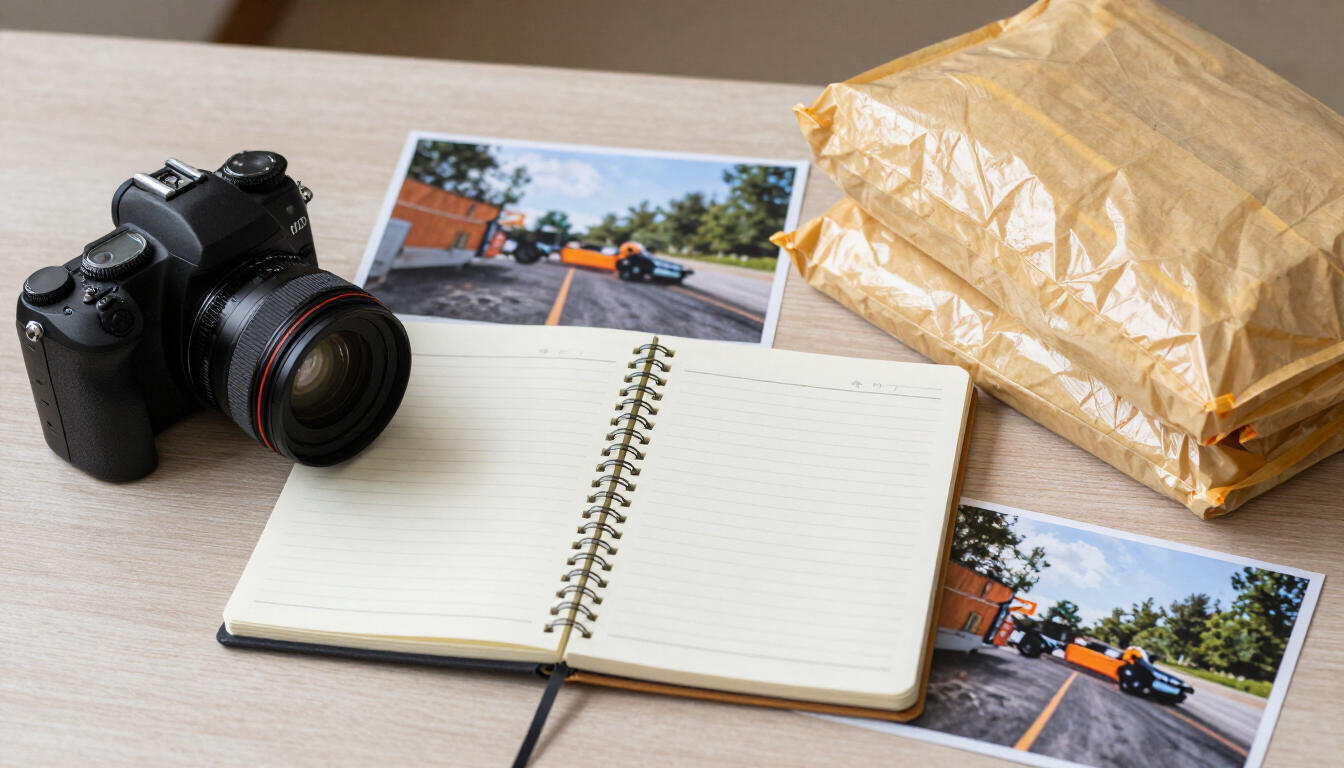
Good documentation is thorough and timely. Photograph the scene from multiple angles and distances — wide shots showing the overall layout, and close-ups of damage and details. Note the time, weather, and lighting, since conditions matter to what happened.
For witnesses, get more than a first name — a phone number and a brief note of what they saw. For video, identify the source (a nearby business, a traffic camera, a bystander) and act quickly, because most systems overwrite within days or weeks. Written notes made the same day, while memory is fresh, are more reliable than later recollection.
Why timing matters
The most useful evidence is the most perishable.
The evidence that best shows what happened — scene conditions, vehicle positions, fresh skid marks, video, and clear witness memories — is also the evidence that disappears fastest. Vehicles are repaired within weeks. Surveillance video is overwritten on a schedule. Witnesses move on and memories fade.
This is why preservation is a first-days activity, not a later one. Waiting until a claim is formally pursued often means the most valuable evidence is already gone. Acting promptly — even before deciding whether to pursue a claim — preserves the option to do so credibly.
Frequently asked questions
Common questions, answered directly.
General information only, not legal advice for any particular situation.
Keep exploring
Related resources.
Practice areas
Kansas City area
Free case review
Need to preserve evidence? Request a free case review.
This is the intake experience a Kansas City injury firm would offer: clear fields, plain language and no pressure. On this demonstration site the form is entirely inert — nothing you type leaves your browser.
Demonstration only. No information is transmitted to an attorney or law firm.
- Phone
- 816-555-0100
- Office
- 1100 Main St, Kansas City, MO 64105
Demonstration Case Review
Demonstration form only. Information entered here is not transmitted to a law firm or attorney.