Rideshare passenger
You were riding in an Uber, Lyft or similar vehicle when the crash occurred. Your claim may involve the rideshare driver, another at-fault driver, or both.
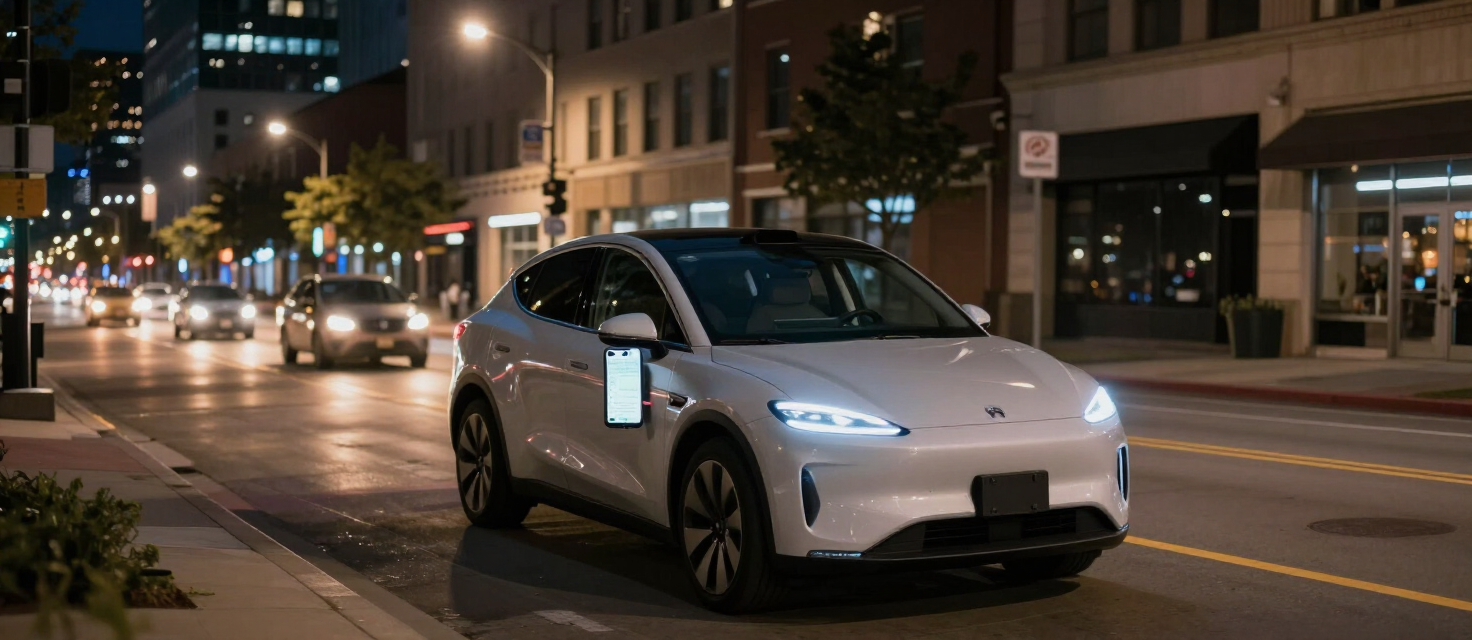
Practice Area · Uber & Lyft Collisions
Rideshare vehicles are a familiar part of Kansas City traffic. When one is involved in a collision, the ordinary questions of fault are joined by a second set of questions about which insurance coverage applies — and the answers can depend on what the driver was doing at the moment of impact.
The short answer
It depends on the circumstances and the driver’s status on the platform at the time of the collision — whether the app was off, on with no ride accepted, en route to a pickup, or carrying a passenger. Different coverage layers may apply in each situation. No definitive coverage promise is made here; coverage questions should be reviewed against the actual policy language.
Who you might be
You were riding in an Uber, Lyft or similar vehicle when the crash occurred. Your claim may involve the rideshare driver, another at-fault driver, or both.
A rideshare vehicle collided with your car. The rideshare driver’s status at the time of the crash can affect which coverage applies.
You were riding in a car that collided with a rideshare vehicle. Your claim may run against either or both drivers depending on fault.
A rideshare vehicle struck you while you were walking. The same coverage-status questions apply.
A rideshare vehicle struck you while you were riding. Vulnerable-road-user and coverage questions both arise.
Driver status & coverage
Rideshare platforms generally maintain different coverage layers depending on the driver’s status. The descriptions below are general and not a guarantee of any particular outcome; actual coverage depends on the policy language and the facts.
The driver is available but not matched to a rider. One set of coverage questions applies.
The driver has accepted a ride and is heading to the passenger. A different, typically larger coverage layer may apply.
The ride is in progress. The highest commercial coverage layer is generally implicated.
The driver is off the platform and driving personally. The driver’s personal auto policy is generally the relevant coverage.
“In a rideshare crash, the first question is fault. The second — sometimes harder — is which policy answers for it.”
Important evidence
The police report, the rideshare driver’s name and vehicle information, screenshots of the trip and receipt, witness statements, scene and damage photographs, any available video, and the complete medical record. The driver’s platform status at the moment of impact is a key fact that can be difficult to reconstruct later.
Insurance & damages
A rideshare claim may involve the driver’s personal policy, the platform’s commercial or contingent coverage, and the injured person’s own uninsured and underinsured motorist coverage. Recoverable damages depend on the facts and applicable law; nothing here promises recovery.
Frequently asked questions
General information only, not legal advice for any particular situation.
Keep exploring
The underlying collision mechanics behind many rideshare crashes.
Coverage questions when a driver lacks valid insurance.
Rideshare vehicles and vulnerable road users.
The stages a serious claim may move through, start to finish.
Free case review
This is the intake experience a Kansas City injury firm would offer: clear fields, plain language and no pressure. On this demonstration site the form is entirely inert — nothing you type leaves your browser.
Demonstration only. No information is transmitted to an attorney or law firm.
Demonstration form only. Information entered here is not transmitted to a law firm or attorney.