Driver schedules
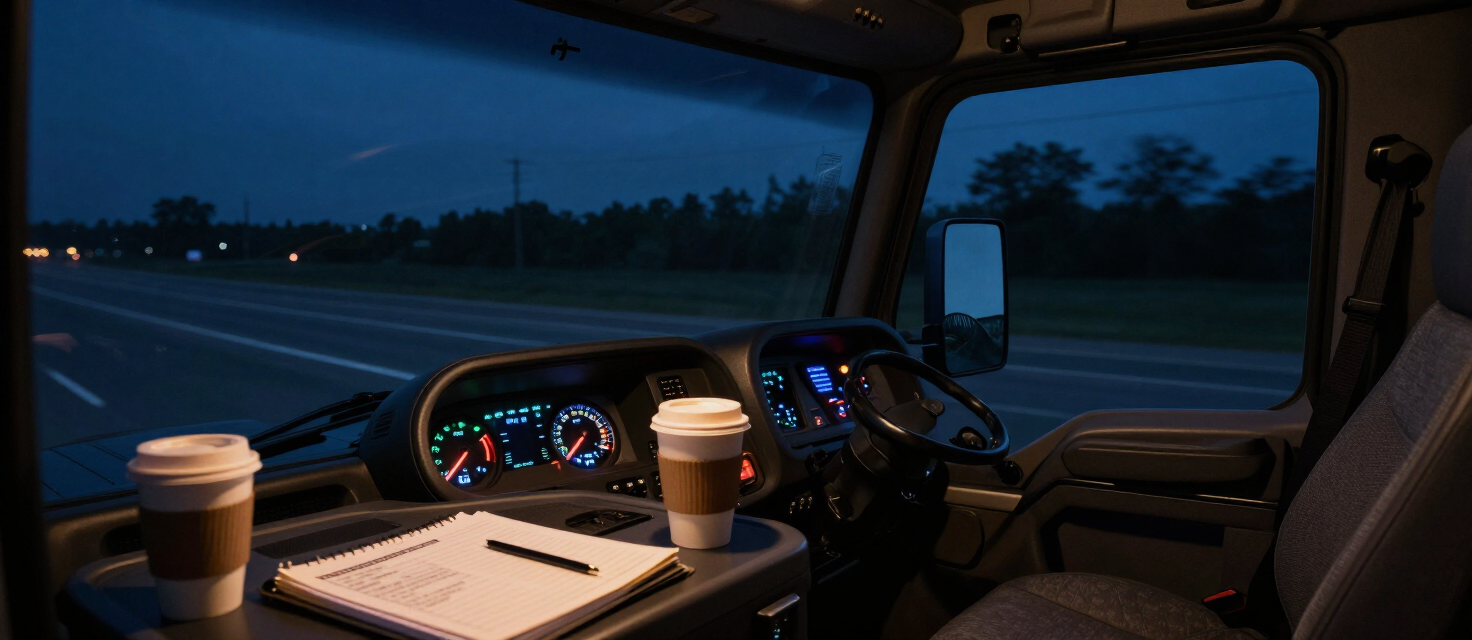
Long routes and tight delivery windows can create pressure to keep driving past safe limits.
Truck Accidents · Driver Fatigue
Driver fatigue is a recognized risk, and hours-of-service rules exist to limit it. But fatigue is rarely admitted — it is built from electronic logs, dispatch records and vehicle data.
The short answer
Driver fatigue is a recognized risk in commercial trucking, and federal hours-of-service rules exist to limit it. But fatigue is rarely admitted — it is built from electronic logs, dispatch records, fuel and toll data, and vehicle data. Whether fatigue contributed to a particular crash depends on the evidence, and it should not be implied without support. This page explains the issues generally; it is not legal advice about any particular crash.
How fatigue becomes relevant
These are the factors and records that bear on fatigue, not conclusions that fatigue caused any specific crash.
Long routes and tight delivery windows can create pressure to keep driving past safe limits.
Federal hours-of-service rules limit driving and on-duty time and require rest periods; compliance is recorded electronically.
Electronic logging devices capture driving and rest time, providing a record for evaluating fatigue.
Whether required rest was taken, and whether it was adequate, can bear on fatigue.
Routing, scheduling and communications can show pressure to meet deadlines.
Logs and company scheduling records may reveal patterns relevant to fatigue.
Evidence
Relevant evidence depends on the facts. These categories frequently bear on whether fatigue contributed to a crash.
Evidence That May Matter
Hours-of-service records showing driving and rest time.
Scheduling and communications that may show pressure.
Paper or electronic logs and any discrepancies with other records.
Receipts that can corroborate when and where the truck was moving.
Speed and braking consistent with fatigue or inattention.
Driver-facing footage that may show drowsiness or inattention.
Which evidence is relevant depends on the facts of the particular collision. This is general information, not legal advice or an investigation of any specific crash.
“Fatigue is not proven by assertion. It is proven by logs, dispatch records, fuel receipts and vehicle data that together show how long the driver was really going.”
Potential injuries
Categories of injury, not diagnoses or predictions. A fatigue-related loss of control can involve multiple vehicles.
A fatigue-related loss of control at highway speeds can cause severe harm.
High-force impacts from a drifting or unresponsive truck.
Severe forces producing disc and cord injury.
The truck’s weight can crush smaller vehicles.
Fatigue-related crashes carry a heightened risk of fatal outcomes.
Insurance issues
Fatigue is built from records. Carrier scheduling practices can raise direct responsibility.
Potential damages
Recoverable damages depend on the facts and applicable law. Nothing here promises that any particular damages will be recovered.
Emergency, surgical, ICU, imaging and therapy costs already incurred.
Ongoing care a provider anticipates will be required.
Wages and earnings lost during recovery.
Long-term impact on the ability to earn.
Repair or replacement of the vehicle.
The physical and emotional experience of the injury.
Lasting limitations on movement, cognition or function.
Additional categories recognized under applicable Missouri law.
What to do afterward
General guidance, not individualized legal advice. Electronic records can disappear quickly.
Fatigue-related crashes can be severe and block lanes.
Record the company name, truck number and DOT number.
Vehicle positions, damage and any signs of the truck drifting.
Other drivers may have observed erratic driving before the crash.
High-force impacts can cause injuries not immediately obvious.
Electronic logging and dispatch records can be overwritten.
Kansas City context
Kansas City’s position at the crossing of I-35 and I-70 makes it a corridor for long-haul freight, where hours-of-service compliance and fatigue are recurring concerns. No roadway or carrier is characterized here as having fatigue problems without supporting data; the recurring factor is that the records behind the driver matter in any serious collision.
Kansas City area resources
Frequently asked questions
General information only, not legal advice for any particular situation.
Keep exploring
Free case review
This is the intake experience a Kansas City injury firm would offer: clear fields, plain language and no pressure. On this demonstration site the form is entirely inert — nothing you type leaves your browser.
Demonstration only. No information is transmitted to an attorney or law firm.
Demonstration form only. Information entered here is not transmitted to a law firm or attorney.