Commercial carriers
The motor carrier behind the truck brings corporate duties, safety departments and retained counsel into the matter from day one.
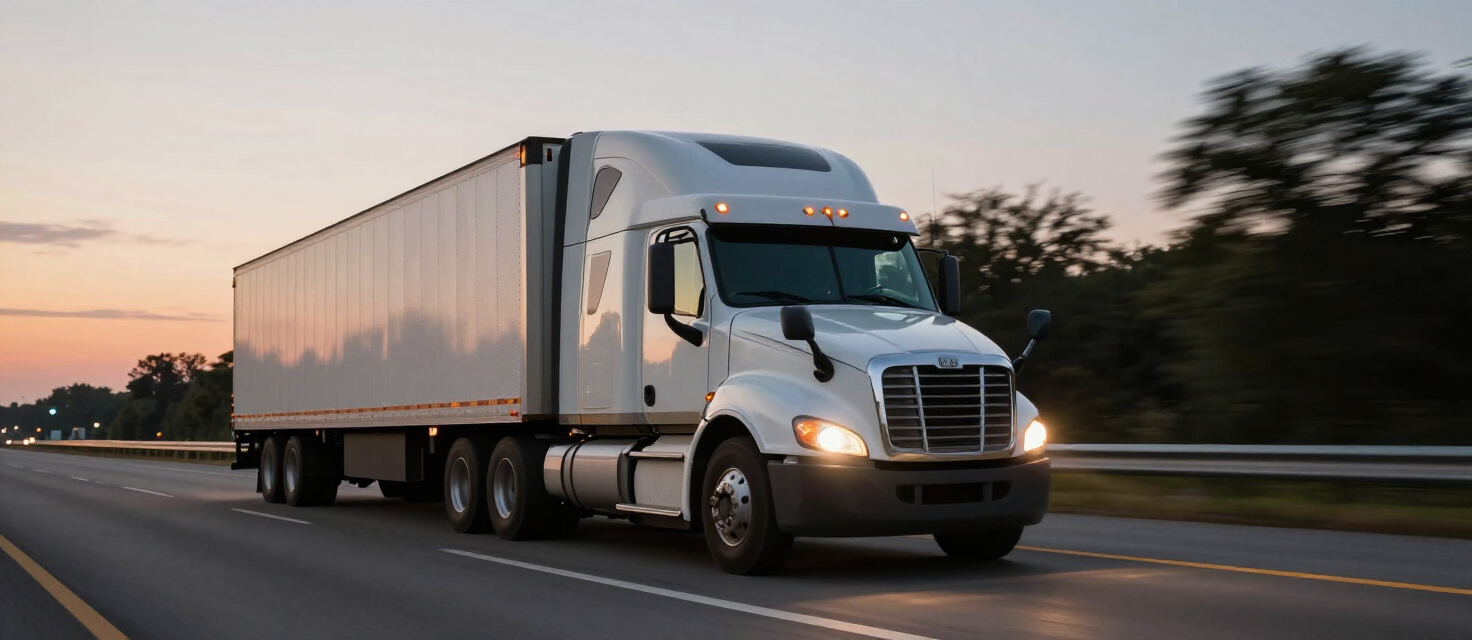
Truck Accidents · Tractor-Trailers
A tractor-trailer crash is not simply a large car accident. The carrier, the driver, the tractor and trailer owners, the shipper and the maintenance vendor may all bear on what happened — and the records behind the truck may reveal information a car claim never touches.
The short answer
A tractor-trailer crash is not simply a large car accident. The motor carrier, the driver, the tractor and trailer owners, the shipper and the maintenance vendor may all bear on what happened — and the records behind the truck and its driver may reveal information a passenger-car claim never touches. This page explains the issues generally; it is not legal advice about any particular crash.
What makes these crashes different
These are the factors that distinguish tractor-trailer cases from ordinary car accidents, not conclusions about any specific crash.
The motor carrier behind the truck brings corporate duties, safety departments and retained counsel into the matter from day one.
The driver, the tractor owner and the trailer owner are not always the same entity, which affects who may be responsible.
How the tractor and trailer were maintained and inspected can bear on whether a mechanical condition contributed.
Commercial liability coverage is larger and more complex to identify and coordinate than passenger-car policies.
Telematics, engine data and logging systems capture how the truck was operated in ways cars do not.
How the trailer was loaded and secured can contribute to a crash independently of the driver.
Evidence
Relevant evidence depends on the facts. These categories frequently bear on liability and injury value in tractor-trailer cases. Much of it is held by the carrier and can be overwritten or destroyed.
Evidence That May Matter
Hours-of-service records showing driving and rest time.
Speed, braking and throttle captured by the truck’s systems.
Driver-facing and forward-facing footage from the truck.
Service, repair and inspection history for tractor and trailer.
Scheduling and communications that may bear on pressure and fatigue.
Load weight, securement and manifest details.
Training, history and prior violations.
Scene, damage and bystander statements gathered early.
Which evidence is relevant depends on the facts of the particular collision. This is general information, not legal advice or an investigation of any specific crash.
“The truck carries its own record. Engine data, electronic logs, dash video and maintenance files can describe how it was operated in ways a passenger car never could.”
Potential injuries
Categories of injury, not diagnoses or predictions. A fully loaded tractor-trailer can weigh twenty or more times a passenger vehicle.
The forces of a tractor-trailer collision frequently produce life-altering harm.
High-force impact causing severe brain trauma.
Disc and cord injury with potential permanent consequences.
Complex fractures and crush injuries.
Tractor-trailer crashes carry a heightened risk of fatal outcomes.
Insurance issues
Adjusters and retained counsel act for the carrier. Identifying every party and policy is an early priority.
Potential damages
Recoverable damages depend on the facts and applicable law. Nothing here promises that any particular damages will be recovered.
Emergency, surgical, ICU, imaging and therapy costs already incurred.
Ongoing care and treatment a provider anticipates will be required.
Wages and earnings lost during recovery.
Long-term impact on the ability to earn.
Repair or replacement of the vehicle.
The physical and emotional experience of the injury.
Lasting limitations on movement, cognition or function.
Additional categories recognized under applicable Missouri law.
What to do afterward
General guidance, not individualized legal advice. Carrier records can disappear quickly.
Tractor-trailer crashes frequently involve serious injury and lane blockage.
Photograph vehicle positions, damage, skid marks and road conditions.
Record the company name, truck and trailer numbers, and DOT number if visible.
Other drivers may have observed the truck’s operation before the crash.
High-force impacts can cause injuries not immediately obvious.
Electronic carrier records can be overwritten on short cycles.
Kansas City context
Kansas City sits at the crossing of I-35 and I-70, ringed by the I-435 loop, making it a major tractor-trailer corridor for freight moving through the Midwest. The volume of commercial traffic on these interstates means passenger vehicles share the road with large trucks at high speeds. No roadway is characterized here as dangerous without supporting data; the recurring factor is that the records behind the truck matter in any serious collision.
Kansas City area resources
Frequently asked questions
General information only, not legal advice for any particular situation.
Keep exploring
Free case review
This is the intake experience a Kansas City injury firm would offer: clear fields, plain language and no pressure. On this demonstration site the form is entirely inert — nothing you type leaves your browser.
Demonstration only. No information is transmitted to an attorney or law firm.
Demonstration form only. Information entered here is not transmitted to a law firm or attorney.