The at-fault driver has no insurance
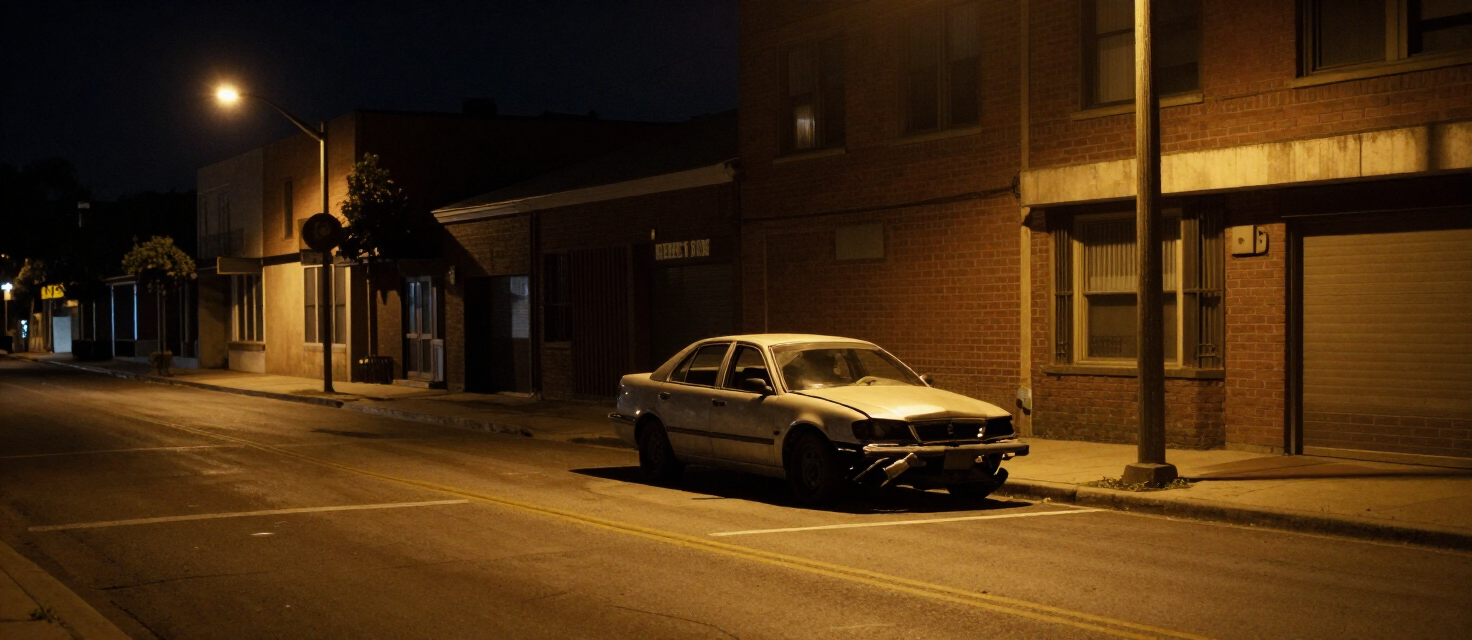
The driver who caused the collision carried no liability coverage at all. Your own uninsured motorist coverage may become the primary source of recovery.
Practice Area · Coverage Claims
When the driver who caused your crash has no insurance, not enough insurance, or cannot be found after a hit-and-run, the question shifts from the other driver’s policy to your own. This page explains, in plain English, how uninsured and underinsured motorist coverage may become relevant.
The short answer
Your own uninsured or underinsured motorist coverage may become the primary source of recovery. These coverages are part of your own auto policy and are designed to step in when the at-fault driver cannot or will not pay. No coverage guarantee is made here — coverage depends on the policy language and the facts, and should be reviewed with qualified advice.
Three common situations
The driver who caused the collision carried no liability coverage at all. Your own uninsured motorist coverage may become the primary source of recovery.
The driver’s liability limits are too low to cover the harm. Your underinsured motorist coverage may bridge the gap, subject to policy terms.
A driver leaves the scene and cannot be identified. Uninsured motorist coverage may apply to a hit-and-run, subject to conditions in the policy.
How your own coverage may apply
Uninsured and underinsured motorist coverage is part of your own auto policy. It is designed to step in when the at-fault driver cannot or will not pay. The descriptions here are general and not a guarantee of any particular outcome.
No coverage guarantee is made. Review your actual policy language and seek qualified advice about your circumstances.
Uninsured and underinsured motorist coverage is part of your own auto policy. It is designed to step in when the at-fault driver cannot or will not pay.
Whether UM or UIM applies, and how much, depends on the driver’s status, your policy limits and the circumstances of the crash.
Coverage on other vehicles in the household, or on certain other policies, may sometimes be stacked. Identifying every layer is an early step.
Policy terms, exclusions and notice requirements vary. Coverage questions should be reviewed against the actual policy and with qualified advice.
“You buy uninsured motorist coverage for exactly this moment — the crash where the other driver has nothing to give.”
What to do
Cases vary, and policy notice requirements can be strict. This outline describes a general sequence, not advice for any particular case.
Determine whether the other driver was uninsured, underinsured or unidentified.
Examine your UM/UIM limits, exclusions and any notice or cooperation requirements.
Check other household policies or coverage that may apply.
Document the claim and comply with policy notice conditions within required timeframes.
Coverage questions are technical; review them against the actual policy language.
Evidence
UM and UIM claims generally require showing the other driver was at fault and establishing their coverage status — uninsured, underinsured or unidentified. The police report, witness statements, scene and damage photographs, any available video, and the complete medical record carry the claim.
Insurance & damages
Recoverable damages depend on the facts, applicable law and your policy limits. Potential categories may include medical expenses, future medical needs, lost income, reduced earning capacity, pain and suffering and permanent impairment. Nothing here promises that any particular damages will be recovered.
Frequently asked questions
General information only, not legal advice for any particular situation.
Keep exploring
The underlying collision and fault analysis behind most UM/UIM claims.
Hit-and-run and uninsured-driver claims involving people on foot.
Cyclist claims when the at-fault driver cannot be identified.
The stages a serious claim may move through, start to finish.
Free case review
This is the intake experience a Kansas City injury firm would offer: clear fields, plain language and no pressure. On this demonstration site the form is entirely inert — nothing you type leaves your browser.
Demonstration only. No information is transmitted to an attorney or law firm.
Demonstration form only. Information entered here is not transmitted to a law firm or attorney.